In Person, Video And Telephone Consults Available
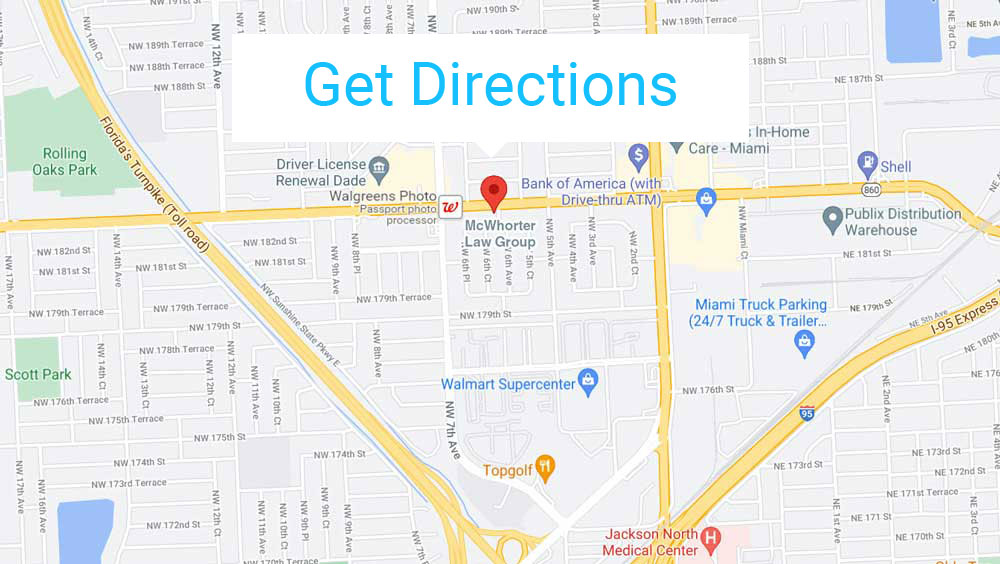
Office
McWhorter Law, PLLC
604 NW 183rd Street Suite 3
Miami Gardens, Florida 33169

When a Florida resident dies without a valid will, that person is considered to have died intestate. Any part of the estate that was not effectively distributed through a will generally passes to the deceased person’s heirs under Florida’s intestate-succession laws.
In other words, the state—not you—determines who may inherit your probate assets. Florida’s inheritance rules are structured and legally defined. They may consider whether you were married, whether you had children, whether those children were also the children of your surviving spouse, and whether other relatives survive you. Depending on the family structure, a surviving spouse may receive all or only part of the intestate estate. That legal formula may be orderly, but it is not personal. It does not know your family history, the promises you made, the relationships you value, or the legacy you hoped to leave behind.
Without a properly prepared will or estate plan, you may lose the opportunity to clearly express:
Probate may still be necessary to transfer ownership of probate assets and complete the deceased person’s financial affairs, particularly when there is no will. A personalized estate plan gives your family something state law cannot provide: your voice.
You may have:
These relationships can create uncertainty when there is no written estate plan. For example, someone you love deeply may have no automatic right to inherit under Florida’s intestate laws. Meanwhile, a relative you did not intend to benefit could potentially receive part of the estate. A will allows you to state your intentions instead of leaving your family to interpret them during an already painful time.
Depending on your needs, your Florida estate plan may include:
The right combination depends on your property, family, financial responsibilities, health concerns, and long-term goals. Estate planning is not only for wealthy families. It is for anyone who wants greater control over important decisions involving property, health care, loved ones, and personal wishes.
Life does not always wait for a convenient season. Without clear legal instructions, surviving family members may face uncertainty, court proceedings, disagreements, delays, and difficult decisions while grieving. Even when family members have the best intentions, confusion can strain relationships. A thoughtfully prepared estate plan creates a clearer path forward. It replaces assumption with instruction and uncertainty with preparation.
Attorney Shirlyon J. McWhorter and McWhorter Law help Florida individuals and families understand their estate-planning options and create plans designed around their lives—not a one-size-fits-all state formula. Whether you need to prepare your first will, update an existing estate plan, establish a trust, or better understand the Florida probate process, informed legal guidance can help you make confident decisions. Do not simply accept the estate plan Florida creates when you remain silent. Create a plan that carries your instructions, protects your family, and preserves the legacy you intend to leave.
Contact McWhorter Law to discuss wills, trusts, probate preparation, powers of attorney, health care directives, and personalized legacy planning. This article provides general educational information and is not legal advice. Estate-planning needs vary, and readers should consult a qualified Florida attorney regarding their individual circumstances.
McWhorter Law, PLLC
604 NW 183rd Street Suite 3
Miami Gardens, Florida 33169