In Person, Video And Telephone Consults Available
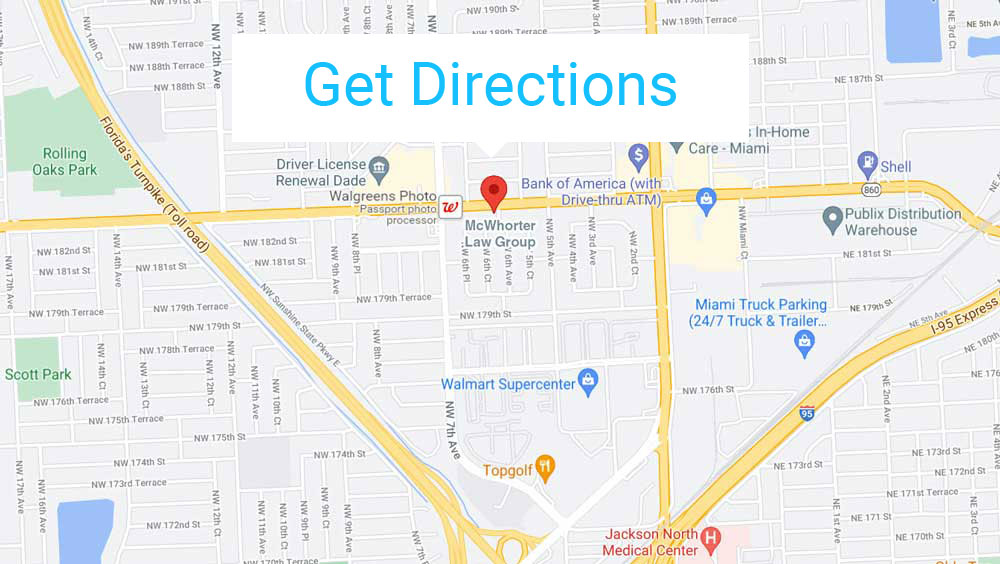
Office
McWhorter Law, PLLC
604 NW 183rd Street Suite 3
Miami Gardens, Florida 33169

We are a Florida Law Firm specializing in probate, trust administration, and estate planning for individuals, families and business owners. It is important that you know that estate planning is about more than planning for death. It’s about protecting your assets, deciding who gets your assets when you are gone, and who will manage your assets if you become disabled.
McWhorter Law wants to partner with you as you take the first step to creating greater peace of mind for you and those you care about. At McWhorter Law, we understand that matching your estate plan with your family’s needs require a delicate balance of financial, psychological and emotional considerations. And we are prepared to walk you through this process one step at a time.
Clients receive clear explanations, practical direction, and respectful counsel during decisions that may carry significant personal, financial, and family consequences.
McWhorter Law is committed to helping clients plan before a crisis, document their wishes before confusion arises, and establish legal protections that can remain steady through life’s expected and unexpected transitions. We believe legal planning is about more than preparing documents. It is about protecting families, preserving hard-earned assets, honoring personal wishes, and creating a clear path for the future. Led by Attorney Shirlyon J. McWhorter, McWhorter Law provides thoughtful, strategic legal guidance to individuals, families, professionals, business owners, and organizations. The firm assists clients with estate planning, wills, trusts, probate, legacy planning, mediation, litigation support, and legal education. Every client arrives with a story—along with concerns, responsibilities, and people or priorities worth protecting. We begin by listening. We then help transform uncertainty into an organized legal strategy designed around the client’s circumstances, values, and long-term goals. Attorney McWhorter brings the perspective of a seasoned attorney, former judge, skilled mediator, litigator, community leader, and certified coach, trainer, and speaker. Her broad experience allows the firm to approach legal matters with both precision and emotional intelligence.
Our work is grounded in five core values:

 Estate planning is personal at McWhorter Law. We will work diligently to ensure that your individual concerns are carefully addressed and your specific goals are met. With our extensive knowledge of wills, trust and estate administration, we will work with you to develop a personal and comprehensive estate plan. We will offer knowledgeable guidance that will give you peace of mind and secure your family’s future.
As Estate Planning professionals, we recommend your personalized estate plan include the following legal documents:
The purpose of estate planning is to tailor your legal documents and tools to your specific and individual needs in order to get the best from your Estate upon your death or incapacity.
 A will is a legally enforceable declaration of how a person wishes his or her property to be distributed after death.
A last will and testament directs how your property should be distributed after death. It can name beneficiaries, appoint a personal representative, provide specific gifts, and nominate guardians for minor children. McWhorter Law prepares customized wills that reflect each client’s family, assets, business interests, digital property, and personal wishes. A generic, outdated, or improperly executed will may lead to disputes, probate delays, added expenses, or an invalid document. Under Florida law, a person creating a will must generally be at least 18 years old, of sound mind, sign the written will, and have it witnessed by two individuals.
Without a valid will, Florida law determines who inherits the estate and who may serve as personal representative.
Will services may include:
Legal requirements exist in Florida in order for a will to be legally recognized:
Minor children: A Will is the only way to appoint a guardian for your child in the event of your death. A will is also used to nominate guardians for your minor children.

A will is a legally enforceable declaration of how a person wishes his or her property to be distributed after death.
Legal requirements exist in Florida in order for a will to be legally recognized:
Minor children: A Will is the only way to appoint a guardian for your child in the event of your death. A will is also used to nominate guardians for your minor children.
 A power of attorney (POA) is a legal document that gives a person, called an “agent,” the authority to act on behalf of another individual, called the “principal.” In my opinion, the POA is the one of the most important documents in your estate plan.
The agent is granted control of your assets on your behalf if you’re unable to control them yourself. Florida Power of Attorney rules changed in 2011 legislation. If you had a POA created before this time, it’s still valid, but you may want to consult with an attorney to make any changes to your POA.
The financial power of attorney requirements in Florida are very specific. They can be found in the Florida Power of Attorney Act, which begins with Section 709.2101 of the Florida Statutes.
A power of attorney may give others the right to do almost any legal act that the maker of the power of attorney could do.

A power of attorney (POA) is a legal document that gives a person, called an “agent,” the authority to act on behalf of another individual, called the “principal.” In my opinion, the POA is the one of the most important documents in your estate plan.
The agent is granted control of your assets on your behalf if you’re unable to control them yourself. Florida Power of Attorney rules changed in 2011 legislation. If you had a POA created before this time, it’s still valid, but you may want to consult with an attorney to make any changes to your POA.
The financial power of attorney requirements in Florida are very specific. They can be found in the Florida Power of Attorney Act, which begins with Section 709.2101 of the Florida Statutes.
A power of attorney may give others the right to do almost any legal act that the maker of the power of attorney could do.
 Living wills, health care directives and other advance directives are written, legal instructions regarding your preferences for medical care if you are unable to make decisions for yourself. Advance directives guide choices for doctors and caregivers if you’re terminally ill, seriously injured, in a coma, in the late stages of dementia or near the end of life.
Advance directives aren’t just for older adults. Unexpected end-of-life situations can happen at any age, so it’s important for all adults to prepare these documents.
By planning ahead, you can get the medical care you want, avoid unnecessary suffering and relieve caregivers of decision-making burdens during moments of crisis or grief. You also help reduce confusion or disagreement about the choices you would want people to make on your behalf.

Living wills, health care directives and other advance directives are written, legal instructions regarding your preferences for medical care if you are unable to make decisions for yourself. Advance directives guide choices for doctors and caregivers if you’re terminally ill, seriously injured, in a coma, in the late stages of dementia or near the end of life.
Advance directives aren’t just for older adults. Unexpected end-of-life situations can happen at any age, so it’s important for all adults to prepare these documents.
By planning ahead, you can get the medical care you want, avoid unnecessary suffering and relieve caregivers of decision-making burdens during moments of crisis or grief. You also help reduce confusion or disagreement about the choices you would want people to make on your behalf.
Customized trusts designed to protect assets, preserve privacy, and simplify inheritance.
Trusts can be powerful estate planning tools for managing assets, protecting beneficiaries, maintaining privacy, and creating greater continuity during incapacity or after death. McWhorter Law helps individuals and families understand whether a trust is appropriate for their circumstances and develops customized trust strategies aligned with their financial and legacy goals.
A revocable living trust may allow assets to be managed during a person’s lifetime and transferred to designated beneficiaries after death. When properly created, funded, and maintained, a trust may also help certain assets avoid probate, provide additional privacy, and make it easier for a trusted successor to manage property if the trust creator becomes incapacitated.
Trusts may also be used to provide structured support for children, grandchildren, individuals with special circumstances, or beneficiaries who may not be prepared to receive a large inheritance at one time. They can establish instructions concerning when funds are distributed, how property should be managed, and what purposes the assets may support.
Creating the trust document is only one part of the process. Assets must be reviewed and, when appropriate, properly titled or coordinated with the trust. McWhorter Law guides clients through trust creation, trust funding considerations, beneficiary planning, and the relationship between a trust and other estate planning documents.
Trusts services may include:
The firm provides clear explanations so clients understand not only what their trust says, but also how it is intended to work in real life.
A Revocable Living Trust or Inter-Vivos Trust can be a powerful tool for succession planning and avoiding probate. It is a popular estate planning tool in Florida. McWhorter Law can help you determine if a Living Trust is advantageous for your circumstances.
Like your Last Will and Testament, a Living Trust is also a written declaration of who you would like to receive your property at your passing. However, unlike a Will, a Living Trust is a private document which allows you to pass property without the delays, cost, and publicity of going through the probate courts. A Trust can also accomplish a lot more such as protecting your family’s privacy; providing for your children, grandchildren, and pets; helping to plan for your incapacity; and protecting your property from lawsuits.
A Living Trust gives you greater ability to control when beneficiaries receive their inheritance, and how they use it. For example, if you have an adult child who is not responsible with money, the provisions of your Trust could specifically give him only certain amounts at specific ages, and/or for specific purposes.
We love our pets. Two thirds of Americans live with an animal, and according to a Harris poll, 90 percent of pet owners think of their dogs and cats as members of the family. For a long time, Florida law did not provide pet owners with an estate planning tool to provide for their pets after the owner’s death. In 2002, Florida’s statutes were changed to allow for making a Pet Trust. Florida Statute 736.0408 allows pet owners to establish a trust for their pets.
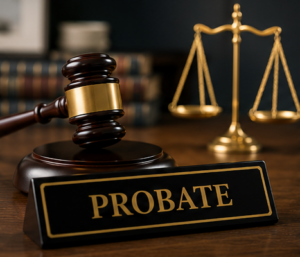
Probate is a court-supervised process for identifying and gathering the assets of a deceased person (decedent), paying the decedent’s debts, and distributing the decedent’s assets to his or her beneficiaries. In general, the decedent’s assets pay the probate proceeding’s cost, the decedent’s funeral expenses, then the decedent’s outstanding debts. The remainder of the assets are distributed to the decedent’s beneficiaries. You can find the Florida Probate Code in Chapters 731 through 735 of the Florida Statutes. You can find the rules governing Florida probate proceedings in the Florida Probate Rules, Part I and Part II (Rules 5.010-5.530).
Whether the decedent had a will or not, probate is still necessary if the decedent dies with “probate assets.” The state’s probate law will control property distribution to the deceased person’s next of kin.
Strategic planning to preserve generational wealth, family assets, and charitable goals.
Legacy planning is the intentional process of deciding not only who will receive your assets, but also how your values, accomplishments, family history, business interests, and charitable priorities will be carried forward. McWhorter Law helps clients develop thoughtful legacy plans that extend beyond basic estate documents and reflect the full meaning of what they have built.
For many individuals and families, a legacy includes more than money. It may include a family home, business, real estate portfolio, intellectual property, personal collections, charitable commitments, cultural traditions, educational goals, or the desire to create opportunities for future generations. Effective legacy planning brings these pieces together within a clear and organized legal strategy.
The firm works with clients to identify long-term goals, anticipate potential challenges, and create instructions that support responsible wealth transfer. This may involve wills, trusts, beneficiary designations, business succession planning, charitable giving strategies, family governance considerations, and plans for preserving important personal or historical property.
Legacy planning can be especially valuable for business owners, community leaders, professionals, blended families, property owners, and individuals who want to establish a lasting philanthropic or generational impact.
Legacy Planning services may include:
McWhorter Law p helps clients transform their intentions into a structured plan—one designed to protect what they have earned and preserve what they want their lives to represent.
McWhorter Law, PLLC
604 NW 183rd Street Suite 3
Miami Gardens, Florida 33169